Chemical Identity and Structure of Tert-Butyl Chloroacetate
Tert-Butyl Chloroacetate (Cas No. 107-59-5) is an organic compound characterized by the presence of a tert-butyl ester group linked to a chloroacetate moiety. Its molecular formula is C6H11ClO2, featuring an ester functional group and a chlorine atom bound to an alpha carbon. The compound's structure facilitates its reactivity and versatility in organic synthesis. Understanding the precise molecular makeup of Tert-Butyl Chloroacetate is essential for its application in various chemical processes.
Physical and Chemical Properties
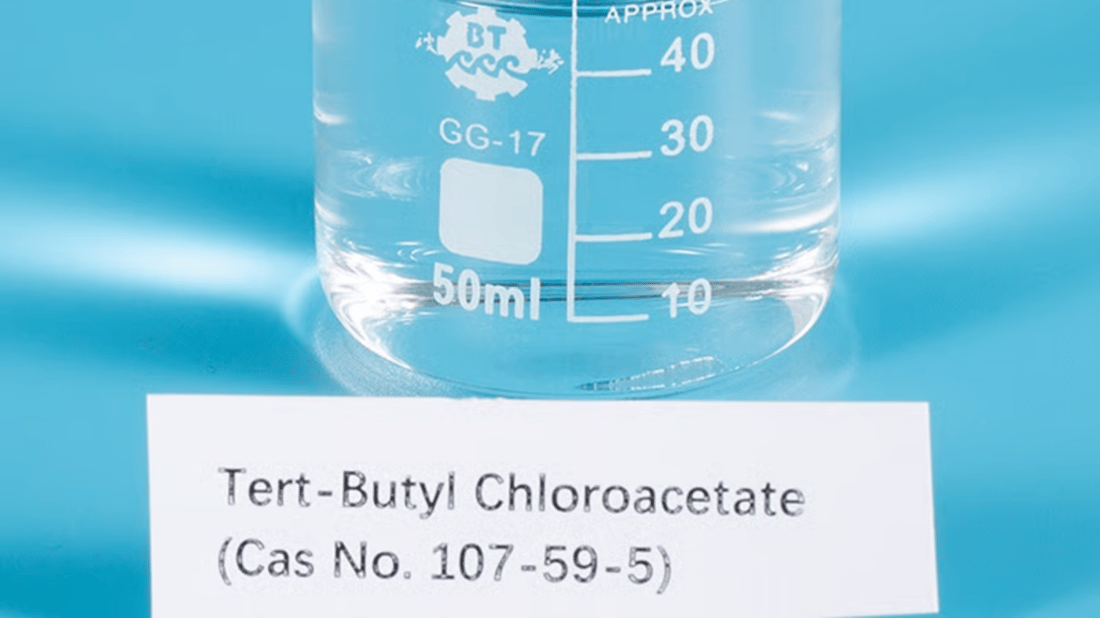
Tert-Butyl Chloroacetate appears as a clear, colorless liquid with a distinctive ester odor. It has a boiling point around 120–124°C under reduced pressure and exhibits moderate solubility in organic solvents such as acetone and ether, but limited solubility in water. Its chemical stability under neutral and basic conditions contrasts with susceptibility to hydrolysis under strong acidic or basic environments. These properties make it a useful intermediate in organic syntheses requiring controlled reactivity.
Synthesis Methods and Industrial Production
The synthesis of Tert-Butyl Chloroacetate typically involves the esterification of chloroacetic acid with tert-butanol, often catalyzed by acid catalysts like sulfuric acid or via chlorinating agents. This reaction must be carefully controlled to optimize yield while minimizing side reactions. Industrial-scale manufacture employs continuous processes to maintain consistency and purity, meeting stringent standards for downstream applications.
Applications in Organic Synthesis
Tert-Butyl Chloroacetate is a valuable alkylating agent widely used in the synthesis of pharmaceuticals, agrochemicals, and fine chemicals. It acts as a versatile intermediate for introducing chloroacetate groups, enabling further functionalization through nucleophilic substitution reactions. The tert-butyl protecting group also allows selective cleavage under acidic conditions, facilitating complex synthetic routes in medicinal chemistry.
Role in Pharmaceutical Intermediates
In drug development, Tert-Butyl Chloroacetate (Cas No. 107-59-5) serves as a key intermediate for synthesizing active pharmaceutical ingredients (APIs). Its reactivity enables the construction of heterocyclic compounds and ester derivatives that are common in therapeutic agents. Its controlled use in pharmaceutical synthesis helps improve drug design by offering regioselectivity and protection strategies during multi-step syntheses.
Safety and Handling Precautions
Handling Tert-Butyl Chloroacetate requires careful safety measures due to its potential irritant properties and reactivity towards nucleophiles. It should be stored in a cool, well-ventilated area away from strong acids, bases, and oxidizers. Appropriate personal protective equipment (PPE) such as gloves and eye protection is essential to prevent contact. Moreover, spill response and disposal protocols must adhere to local regulations to ensure environmental safety.
Environmental Impact and Degradation
The environmental fate of Tert-Butyl Chloroacetate involves hydrolysis and biodegradation pathways that break down the compound into less harmful substances. However, release into aquatic environments should be minimized as its chlorinated structure can pose risks to aquatic organisms. Waste management strategies in industrial settings prioritize neutralization and containment to mitigate ecological impact.
Analytical Techniques for Quality Control
Characterization and purity assessment of Tert-Butyl Chloroacetate often involve gas chromatography (GC), nuclear magnetic resonance (NMR), and infrared spectroscopy (IR). These techniques allow detection of impurities and ensure consistency in production batches. Monitoring the compound’s concentration and stability over time is crucial for applications requiring high-purity reagents.
Regulatory Status and Compliance
Tert-Butyl Chloroacetate (Cas No. 107-59-5) is regulated under chemical safety standards that dictate its manufacturing, transportation, and use. Compliance with agencies such as OSHA and REACH ensures safe handling and environmental compliance. Companies utilizing this chemical must maintain documentation and risk assessments to meet these regulatory requirements.
Future Trends and Innovations
Ongoing research seeks to expand the utility of Tert-Butyl Chloroacetate in green chemistry by developing more sustainable synthesis methods and reducing hazardous byproducts. Innovative catalyst systems and solvent-free reactions are emerging to enhance efficiency. Additionally, its role in novel drug candidates and agrochemical formulations continues to grow, underlining its importance in modern chemical industries.
Quote Inquiry
contact us