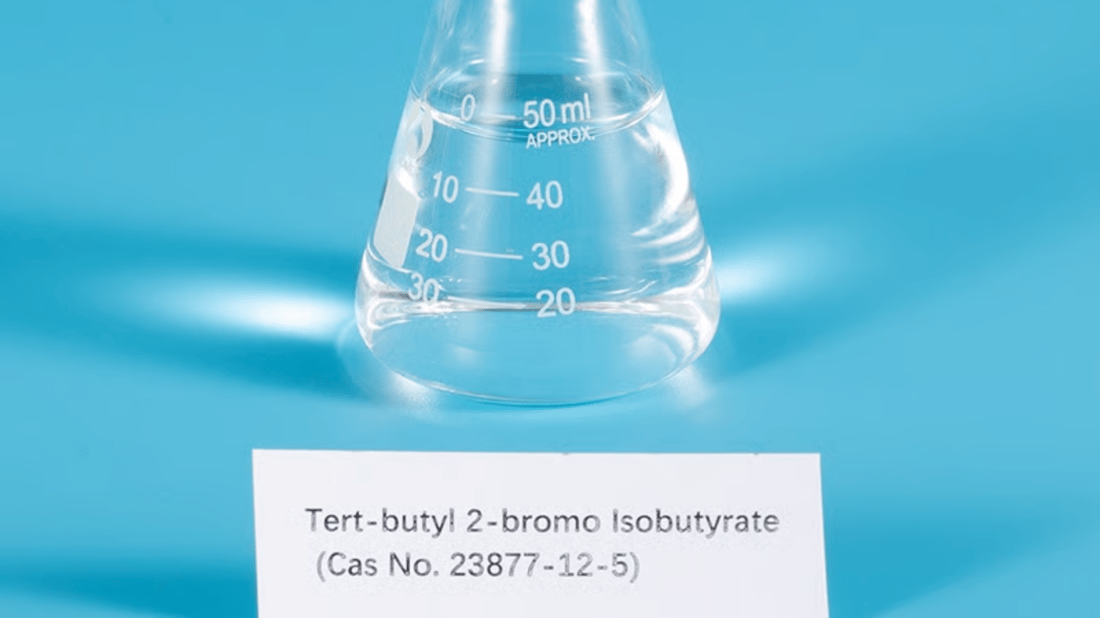
Chemical Identity and Structure of Tert-butyl 2-bromo Isobutyrate
Tert-butyl 2-bromo Isobutyrate (Cas No. 23877-12-5) is an organic compound characterized by its distinct molecular structure. It consists of a tert-butyl group attached to the ester moiety derived from 2-bromo isobutyric acid. The presence of a bromine atom at the alpha position makes it a useful intermediate in organic synthesis. Understanding its chemical makeup is essential for researchers and industrial chemists working with specialty esters.
Physical Properties and Handling Requirements
This compound appears as a clear to slightly yellow liquid with a moderate boiling point that suits various laboratory applications. It has a relatively low vapor pressure, but precautions must be taken due to its potential volatility and reactivity. Proper storage in a cool, dry place with adequate ventilation reduces risks associated with exposure and degradation. Knowledge of its density, solubility, and flash point plays a crucial role in ensuring safe handling.
Applications in Organic Synthesis and Chemical Reactions
Tert-butyl 2-bromo Isobutyrate (Cas No. 23877-12-5) serves primarily as a brominated ester intermediate, extensively utilized in organic synthesis. It participates in nucleophilic substitution, radical addition, and cross-coupling reactions. Its reactive bromine atom allows for functional group transformations, making it valuable in constructing more complex molecules, especially in pharmaceutical and agrochemical research.
Role in Pharmaceutical Intermediate Production
The compound’s structural features make it a valuable building block in synthesizing pharmaceutical intermediates. Its bromine substituent enables targeted modifications that introduce diversity into drug-like molecules. Pharmaceutical manufacturers rely on tert-butyl 2-bromo Isobutyrate for creating compounds with optimal biological activity, enhancing therapeutic profiles, and improving formulation stability.
Significance in Agrochemical Formulations and Research
In agrochemical development, tert-butyl 2-bromo Isobutyrate (Cas No. 23877-12-5) is a cornerstone intermediate utilized in the design and synthesis of herbicides, insecticides, and fungicides. Its structural versatility supports the production of molecules capable of interacting effectively with biological targets in plants and pests. This role underscores its value in sustainable agriculture and crop protection innovation.
Environmental and Toxicological Considerations
While useful, tert-butyl 2-bromo Isobutyrate demands careful assessment due to potential health and environmental impacts. It is essential to understand its biodegradability, aquatic toxicity, and potential for bioaccumulation when using or disposing of this chemical. Regulatory frameworks guide proper environmental management to minimize adverse effects, ensuring that its application remains safe and responsible.
Synthesis Routes and Manufacturing Processes
The synthesis of tert-butyl 2-bromo Isobutyrate generally involves the esterification of 2-bromo isobutyric acid with tert-butyl alcohol under acidic or catalytic conditions. Optimization of reaction parameters affords high purity and yield to meet industrial standards. Innovations in catalyst design and process conditions continue to streamline production, reducing by-products and enhancing overall sustainability.
Quality Control and Analytical Techniques
Ensuring the chemical purity and identity of tert-butyl 2-bromo Isobutyrate requires robust analytical methods. Techniques such as gas chromatography (GC), high-performance liquid chromatography (HPLC), nuclear magnetic resonance (NMR) spectroscopy, and mass spectrometry (MS) are routinely applied. These methods detect impurities and confirm the compound’s structure, which is vital for reproducible chemical behavior and regulatory compliance.
Market Demand and Commercial Availability
Tert-butyl 2-bromo Isobutyrate (Cas No. 23877-12-5) has seen steady demand driven by its extensive use in pharmaceutical and agrochemical sectors. Multiple chemical suppliers offer it globally, catering to research labs and manufacturing industries. Market trends indicate growth aligned with the increasing emphasis on novel intermediates for developing specialized active ingredients.
Future Outlook and Research Directions
Emerging research involving tert-butyl 2-bromo Isobutyrate centers on expanding its applications in green chemistry and sustainable synthesis. Efforts focus on designing less hazardous synthetic routes, enhancing atom economy, and integrating it into multifunctional molecular frameworks. The compound’s unique reactivity continues to inspire innovative uses in advanced material science and complex molecule construction.
Quote Inquiry
contact us